
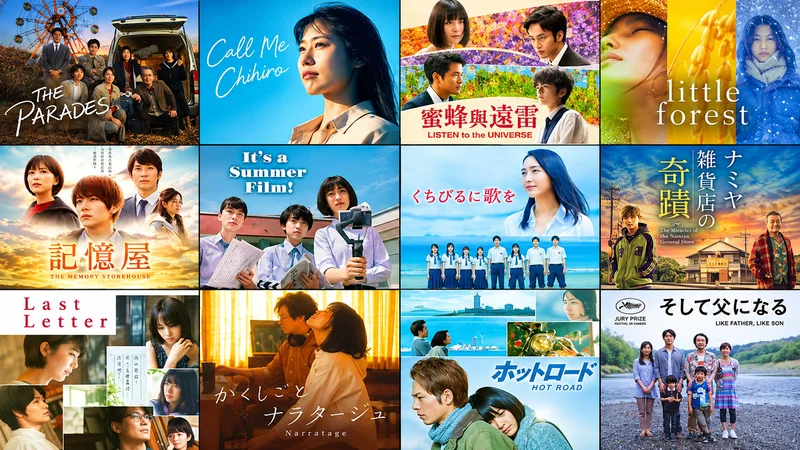
The best japanese romance movies can turn an unanswered letter, a missed train, or a school confession into an unforgettable love story. Start with Love Letter for quiet nostalgia, We Made a Beautiful Bouquet for realistic adult relationships, or Your Name for spectacular animated fantasy. If you want a newer tearjerker, Drawing Closer and The Last 10 Years offer particularly emotional choices.
At ShortMax, this collection covers Japanese feature films rather than television dramas, combining 24 live-action movies with six animated features. The selection ranges from gentle high school comedies and mature LGBTQ+ relationships to supernatural reunions and illness-centered melodramas. Each movie receives quick highlights and individual commentary, without revealing the ending.
This guide to the best japanese romance movies brings together 30 picks from 1995 through 2025. It is an editorial recommendation list rather than a ranking determined by streaming popularity or audience ratings. Some films are cheerful; others deal with bereavement, medical conditions, family pressure, or unequal relationships. Use the descriptions and content notes to choose a suitable mood.
What Makes Japanese Romance Movies Worth Watching?
- Genre range: School romance, adult drama, romantic comedy, fantasy, and animation.
- Emotional mood: Gentle affection, bittersweet memories, painful separation, and hopeful new beginnings.
- Story themes: First love, commitment, communication, illness, time, and personal independence.
- Visual appeal: Seasonal landscapes, intimate city scenes, expressive performances, and distinctive animation.
- Viewer choice: Accessible date-night films alongside heavier dramas for mature audiences.
The best japanese romance movies often allow small details to carry large emotions. A shared notebook can matter as much as a grand speech; the rhythm of everyday work can reveal the strengths and weaknesses of a relationship. The films below were chosen for a meaningful central connection, not merely because a couple briefly appears in the plot.
Classic Japanese Romance Movies and Unforgettable Melodramas
- Influential live-action love stories with memorable performances and carefully drawn emotions.
- Relationships shaped by grief, illness, photography, and the possibility of reunion.
- Ideal for viewers who enjoy patient storytelling and emotionally substantial romantic drama.
Several of the best japanese romance movies from earlier decades helped establish the country’s reputation for moving, understated love stories. These selections also show that supernatural premises and real-world difficulties can serve the same purpose: revealing what someone is willing to preserve.
1. Love Letter (1995)
- Genre: Mystery-inflected romantic drama.
- Central idea: A letter to a deceased fiancé receives an unexpected answer.
- Watch for: Snowy landscapes, memory, and emotional restraint.
Hiroko, still mourning her fiancé Itsuki, writes to an address from his childhood and is astonished to receive a response. The correspondence slowly reveals another person’s memories of the man she thought she understood. Shunji Iwai builds the story around the gaps between remembrance, youthful affection, and the lives people leave behind.
The film’s power comes from allowing a simple exchange of letters to change the meaning of the past. Miho Nakayama’s performance and the winter setting give its discoveries a quiet emotional weight. Choose Love Letter when you want reflection and subtle feeling, not an energetic romantic comedy or a conventional mystery with quick answers.
2. Be with You (2004)
- Genre: Supernatural family romance.
- Story hook: A departed wife returns during the rainy season.
- Audience: Viewers drawn to parenthood, memory, and second chances.
Takumi is raising his young son after the death of his wife Mio, who had promised to return when the rains arrived. An unexpected encounter brings a woman resembling Mio back into their lives, though she cannot remember the family. Takumi begins telling her about their shared past while the three try to rebuild ordinary routines.
Unlike fantasy romances centered on spectacle, this one finds wonder in meals, walks, and the details of family life. Its unusual premise asks what it means to reconnect with someone when shared memories are missing. Choose the Japanese 2004 film if you want the original adaptation rather than the separate Korean remake released in 2018.
3. Crying Out Love, in the Center of the World (2004)
- Genre: First-love melodrama.
- Key contrast: An adult present haunted by teenage memories.
- Viewing mood: Nostalgic and deeply emotional.
Years after a formative relationship, Sakutaro returns to the memories of his teenage first love, Aki. The film moves between his present circumstances and the intense emotions of their youth, gradually explaining why those experiences remain so important. Its storytelling links physical places and old recordings with feelings that time has not erased.
This influential Japanese romantic drama helped popularize a wave of stories about pure love and loss. Masami Nagasawa’s portrayal of Aki is central to the film’s emotional presence. Choose it when you are ready for an old-fashioned tearjerker that values remembrance, rather than a light story about finding a new partner.
4. Heavenly Forest (2006)
- Subgenre: College romance and coming-of-age drama.
- Distinctive detail: Photography becomes a shared language.
- Best for: Quiet, wistful love stories.
University student Makoto develops a friendship with the unusual and free-spirited Shizuru, who shares his enthusiasm for photography. Their bond deepens as they spend time taking pictures and navigating the feelings of other people around them. Hiroshi Tamaki and Aoi Miyazaki make the connection feel both playful and unusually delicate.
The camera gives their relationship a concrete symbol: a photograph can preserve a moment even when the people in it change. That makes the film appealing to viewers who enjoy stories about creative interests leading to intimacy. Its mood becomes more serious than the early college scenes suggest, so expect more than a casual romantic comedy.
5. Midnight Sun (2006)
- Genre: Music-centered youth romance.
- Main obstacle: A medical condition makes sunlight dangerous.
- Signature element: Nighttime singing and personal dreams.
Kaoru is a young aspiring musician who has xeroderma pigmentosum, a condition that requires her to avoid sunlight. Her nighttime routines bring her into contact with Koji, a surfer whose ordinary daytime life feels distant from her own. The developing affection becomes part of Kaoru’s determination to express herself through music.
Singer YUI brings a strong musical presence to the Japanese original, which predates the American film of the same name. The contrast between Kaoru’s artistic ambitions and the limitations imposed by illness gives the romance its emotional force. Choose it for a tender musical drama, while remembering that its medical depiction is fictionalized.
6. The 8-Year Engagement (2017)
- Genre: Biographical romantic drama.
- Relationship: An engaged couple faces severe illness.
- Best for: Stories of commitment and long-term care.
Hisashi and Mai are preparing to marry when Mai becomes seriously ill and falls into a coma. Her recovery creates difficult new circumstances for the relationship they had planned. Takeru Satoh and Tao Tsuchiya lead this dramatization of a real Japanese couple’s experience, adapted from an autobiographical account.
The story’s distinctive appeal is its attention to duration. Commitment here involves years of uncertainty rather than one heroic gesture, and the film asks how love can adapt when life changes unexpectedly. Choose it for emotional resilience and an unusually grounded premise, but do not treat dramatized scenes as a documentary record of the couple’s private lives.
High School Crushes and Japanese Coming-of-Age Romance
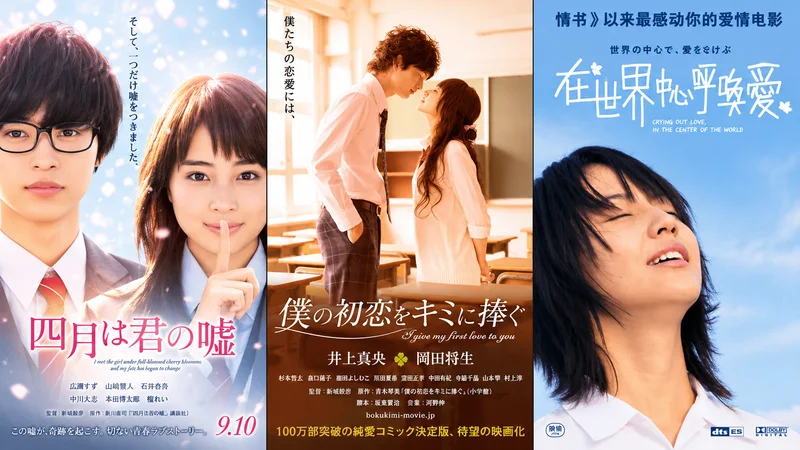
The best japanese romance movies about school life can be wonderfully awkward, especially when characters struggle to say what they feel. This group emphasizes distinct personalities and the way friendships influence romantic decisions, while recognizing that not every relationship dynamic should be treated as ideal.
7. From Me to You (2010)
- Based on: Karuho Shiina’s romance manga.
- Couple dynamic: Isolated girl and warmly outgoing classmate.
- Tone: Gentle, shy, and encouraging.
Sawako is misunderstood because her appearance reminds classmates of a horror character, even though she is considerate and wants to make friends. Popular student Kazehaya sees her good intentions, and their growing closeness encourages Sawako to participate more fully in school life. The live-action film stars Mikako Tabe and Haruma Miura.
The appeal is not a spectacular romantic twist but the experience of being treated kindly after prolonged loneliness. Friendship, personal confidence, and attraction develop together, making the couple’s conversations meaningful even when little happens outwardly. Choose this 2010 film when you want a sweet movie, not the later television drama or anime adaptation.
8. My Love Story!! (2015)
- Genre: High school romantic comedy.
- Standout lead: A large, kindhearted boy who doubts his appeal.
- Ideal audience: Viewers seeking an upbeat, sincere romance.
Takeo Gouda is a physically imposing student whose gentle personality rarely matches what others assume about him. After he helps Rinko Yamato, romantic feelings begin to develop, complicated by his belief that she must prefer his handsome friend Sunakawa. Ryohei Suzuki leads the live-action adaptation with energetic comic warmth.
The story refreshes the usual high school formula by centering someone who expects never to be chosen. Misunderstandings come from insecurity more than cruelty, and the friendship between the boys remains important. Choose it for broad humor and a surprisingly wholesome view of affection, rather than a melodrama built on deliberate emotional manipulation.
9. Strobe Edge (2015)
- Genre: Manga-based school romance.
- Emotional focus: Feelings for someone already dating.
- Key appeal: Friendship and restraint alongside longing.
Ninako begins talking with classmate Ren after an encounter on the train and gradually develops feelings for him. The obstacle is clear: Ren has a girlfriend, and Ninako must work through the difference between wanting a relationship and respecting the one already in place. Kasumi Arimura and Sota Fukushi star in this live-action adaptation.
The film is strongest when it treats a crush as an opportunity for emotional growth instead of immediate romantic entitlement. Other classmates’ feelings further complicate the story, but the central uncertainty remains recognizable. Choose it for a gentle, character-driven love triangle in which timing matters as much as attraction.
10. Blue Spring Ride (2014)
- Genre: School romance and coming-of-age drama.
- Premise: First love returns with a changed personality.
- Watch for: Reunion, friendship, and emotional distance.
Futaba once had a crush on a boy named Kou, who suddenly moved away before they could explore their feelings. Years later they meet again at high school, but he seems different from the person she remembers. Tsubasa Honda and Masahiro Higashide lead the 2014 live-action film adapted from Io Sakisaka’s manga.
The romantic tension comes from the difficulty of separating memory from the person standing in front of you now. Futaba must learn what has changed and whether her old feelings still make sense. Choose it for wistful first-love storytelling, and select the 2014 film rather than the similarly named animated series.
11. Daytime Shooting Star (2017)
- Genre: School love-triangle drama.
- Central complication: Attraction involving a teacher and a classmate.
- Content note: Unequal student-teacher power dynamics.
After moving from the countryside to Tokyo, Suzume tries to adjust to a new school and develops complicated feelings involving her teacher Shishio and classmate Mamura. Mei Nagano leads a story based on Mika Yamamori’s manga, with emotional confusion taking shape through daily school interactions.
Although the film presents the attraction as part of its romantic premise, the teacher-student relationship deserves critical attention because of the difference in authority and life stage. The classmate connection offers a contrasting dynamic. Choose this for a more complicated school romance, not as an example of a relationship that younger viewers should imitate.
12. Our Secret Diary (2023)
- Genre: Contemporary school romantic comedy.
- Story device: Anonymous love letters and a shared diary.
- Best for: Misunderstandings with a warm emotional core.
Nozomi finds a confession in her school desk and believes it comes from popular student Jun. She replies, and a secret exchange of diary entries begins, even though the original note may not have been intended for her. Hiyori Sakurada and Fumiya Takahashi lead this 2023 adaptation of a youth romance novel.
The appeal comes from how writing can make honesty easier while still allowing a misunderstanding to grow. Each new message increases the emotional stakes of revealing the truth. Choose it for an accessible modern high school love story that balances nervous excitement with the consequences of keeping a secret.
Time, Memory, and Love Stories That Bring Tears
- Romantic bonds interrupted by unusual time rules, illness, or lost memories.
- Contemporary films that prioritize emotion over broad comedy.
- Best for viewers comfortable with grief and serious health-related themes.
The best japanese romance movies in this group give ordinary romance an extraordinary deadline. Some use fantasy to change the passage of time; others rely on the real fear of losing someone too soon. These are better choices for an emotional evening than a lighthearted first date.
13. My Tomorrow, Your Yesterday (2016)
- Genre: Time-crossed romantic fantasy.
- Meeting: An art student falls for a woman on a train.
- Key appeal: A relationship viewed through different experiences of time.
Kyoto art student Takatoshi falls for Emi after seeing her on a train, and the two quickly begin spending time together. Her unexpectedly emotional responses to ordinary moments gradually point toward a secret about their connection. Sota Fukushi and Nana Komatsu make the early dates feel warm before the film reveals its unusual rules.
The film uses its speculative premise to ask how two people can value the same relationship differently. It is not a body-swapping romance; its distinctive idea concerns the direction and meaning of time. Watch with minimal plot information if possible, because the emotional perspective becomes richer as the central concept unfolds.
14. The 100th Love with You (2017)
- Genre: Time-loop romantic drama.
- Characters: Singer Aoi and her childhood friend Riku.
- Music: An important part of the relationship.
After a serious accident, Aoi discovers that time has shifted backward. Her childhood friend Riku reveals he has been trying to protect her by changing events, placing their relationship inside an increasingly difficult pattern of second chances. Singer miwa and Kentaro Sakaguchi lead the fantasy romance.
Rather than treating time travel as a puzzle alone, the movie asks whether repeating an experience can eliminate the uncertainty of loving someone. Music gives the couple a shared language beyond the supernatural premise. Choose it when you want an emotional story in which the desire to save a partner has complicated consequences.
15. Even If This Love Disappears from the World Tonight (2022)
- Format: Japanese live-action feature.
- Premise: A girl cannot retain new memories after sleeping.
- Watch for: Care expressed through daily routines.
Toru begins dating classmate Maori after a confession that was not initially sincere. She explains that her anterograde amnesia prevents her from carrying new memories into the next day, which changes the meaning of their time together. Shunsuke Michieda and Riko Fukumoto lead this adaptation of Misaki Ichijo’s novel.
Keeping a record of shared experiences becomes central to the emotional bond. The film is more interested in tenderness and responsibility than in depicting forgetfulness as a cute romantic quirk. This is the Japanese release from 2022, not the separate South Korean adaptation released in 2025; check the year when searching for it.
16. Love Like the Falling Petals (2022)
- Genre: Adult romantic melodrama.
- Relationship: Aspiring photographer and hairstylist.
- Tone: Warm beginnings followed by painful uncertainty.
Haruto is inspired by the dedication of hairstylist Misaki and gradually finds the courage to pursue a relationship with her. As he considers returning to photography, Misaki faces an unusual illness that changes how she experiences time and her future. Kento Nakajima and Honoka Matsumoto lead this Netflix film.
Cherry blossoms provide a fitting visual image for the movie’s concern with beauty that cannot remain unchanged. The central attraction begins with admiration for another person’s ambition, making later difficulties especially affecting. Choose this for an openly sentimental romance, while understanding that its rare-disease premise belongs to fiction rather than reliable medical guidance.
17. The Last 10 Years (2022)
- Genre: Illness-centered adult romance.
- Couple: Matsuri and former classmate Kazuto.
- Best for: Reflective stories about limited time.
Matsuri learns that she has an incurable illness and resolves not to fall in love, hoping to avoid the pain of leaving someone behind. A reunion with Kazuto gradually challenges that decision. Nana Komatsu and Kentaro Sakaguchi lead the film, with music by RADWIMPS supporting its emotional atmosphere.
Unlike time-travel stories in which a character might rewrite events, this drama centers on deciding how to live with what cannot be controlled. Seasonal changes and the couple’s ordinary experiences give the passage of time special weight. Choose it if you want a substantial tearjerker about intimacy, choice, and the value of shared days.
18. Drawing Closer (2024)
- Genre: Teenage romantic drama.
- Story premise: Two young people living with terminal illnesses.
- Standout: Art, flowers, and small acts of kindness.
Seventeen-year-old Akito receives a terminal diagnosis and begins losing hope about his future. Meeting Haruna, who is living with a serious illness herself, encourages him to reconsider what he can still give to another person. Ren Nagase and Natsuki Deguchi lead this live-action adaptation of Ao Morita’s novel.
The film’s unusual feature is the way its characters try to create meaning while knowing that time is short. Their gestures are modest, but each carries importance because neither can assume another opportunity will come. Choose it for a recent Japanese romantic drama that is deliberately emotional rather than a cheerful school comedy.
How Japanese Live-Action Romance Connects with Anime
Live-action and animated films often explore similar romantic questions, especially the fear of separation and the difficulty of expressing feelings. Their methods differ: actors can make an awkward silence feel intimate, while animation can turn time, weather, and distance into visible metaphors.
If those imaginative stories appeal to you, explore our best anime romance movies collection. It offers more animation-focused recommendations, while this list also includes Japanese live-action relationships and adult dramas.
Adult Relationships, Marriage, and Second Chances
- Stories about work, long-term commitment, family choices, and missed opportunities.
- Romance that continues beyond a first confession or a school setting.
- Includes an LGBTQ+ family drama and a period fantasy about an arranged marriage.
The best japanese romance movies about adults pay attention to the ordinary compromises that follow attraction. These six films range from realistic cohabitation to supernatural marriage arrangements, but each gives the couple a life beyond their immediate romantic feelings.
19. We Made a Beautiful Bouquet (2021)
- Genre: Realistic contemporary romance.
- Meeting: Two strangers miss the last train in Tokyo.
- Ideal for: Viewers interested in how relationships change with work.
Mugi and Kinu connect after a chance encounter and discover that they share interests in books, music, and film. Their enthusiasm becomes a relationship, followed by the practical challenges of finding work and building a household. Masaki Suda and Kasumi Arimura portray a couple whose compatibility seems effortless at the beginning.
The most compelling part is the way routines and ambitions gradually change the meaning of shared interests. It observes relationships without needing a villain, an extraordinary illness, or a supernatural event. Choose it for a nuanced discussion about what keeps people together after the excitement of their first meetings fades.
20. Threads: Our Tapestry of Love (2020)
- Genre: Decades-spanning romantic drama.
- Characters: Childhood sweethearts Ren and Aoi.
- Key theme: Chance encounters across changing lives.
Ren and Aoi meet when they are young, but circumstances separate them and send them along different paths. Their lives intersect again as they make adult commitments and navigate personal setbacks. Masaki Suda and Nana Komatsu lead a relationship that unfolds against years of social and personal change in Japan.
The film’s long time span distinguishes it from romances built around one semester or weekend. It asks what remains of youthful affection when both people have developed lives that no longer match their original dreams. Choose it for an expansive emotional journey inspired by Miyuki Nakajima’s song rather than a fast-moving comedy.
21. April, Come She Will (2024)
- Genre: Contemporary romantic mystery-drama.
- Story device: Letters arrive from a former lover overseas.
- Focus: Commitment, distance, and unanswered questions.
Psychiatrist Fujishiro receives letters from Haru, his college sweetheart, describing memories of their relationship from faraway locations. Meanwhile, his fiancée Yayoi disappears, leaving him forced to reconsider what he understands about love and the future. Takeru Satoh, Masami Nagasawa, and Nana Mori lead the film.
Travel images and handwritten correspondence create a reflective tone, while the missing fiancée adds uncertainty to a story about emotional honesty. This is not a standard reunion romance, since the present relationship matters as much as the past. Choose it if you enjoy adult characters questioning whether affection can survive avoidance and silence.
22. 366 Days (2025)
- Genre: Music-inspired romantic melodrama.
- Setting: A relationship beginning in Okinawa in 2003.
- Signature appeal: Two decades of changing circumstances.
High school students Minato and Miu fall in love in Okinawa and hope their connection can continue after graduation. Education and a move to Tokyo open a new chapter, but their paths become more complicated than either expects. Eiji Akaso and Moka Kamishiraishi lead this 2025 romantic film inspired by HY’s song.
The story uses the passing years to challenge the idea that young love can remain unchanged indefinitely. Its musical inspiration and Okinawan beginnings distinguish it from many Tokyo-centered school romances. Choose it for an emotional relationship spanning adulthood, and do not confuse the theatrical feature with television titles bearing the same name.
23. As Long As We Both Shall Live (2023)
- Alternative name: My Happy Marriage, live-action film.
- Genre: Period fantasy and arranged-marriage romance.
- Key relationship: Miyo and the reserved commander Kiyoka.
Miyo has grown up under an abusive family and expects little happiness when she is ordered to marry the apparently cold Kiyoka. In a world where families possess supernatural powers, the pair begin to see beyond the reputations others have given them. Mio Imada and Ren Meguro lead this Japanese live-action fantasy.
Its romantic appeal comes from kindness slowly replacing fear, while the magical setting introduces conflicts beyond the household. The title can be confusing because the source novels also have animated adaptations called My Happy Marriage. This entry refers specifically to the 2023 theatrical film, not the anime series.
24. His (2020)
- Genre: LGBTQ+ adult romantic family drama.
- Story premise: Former lovers reunite after several years apart.
- Central questions: Parenthood, acceptance, and responsibility.
Shun lives quietly in the countryside after distancing himself from an earlier relationship with Nagisa. One day, Nagisa arrives with his young daughter and asks for a place to stay, reopening feelings and bringing complicated family circumstances into Shun’s life. Hio Miyazawa and Kisetsu Fujiwara lead Rikiya Imaizumi’s drama.
The film is particularly valuable for showing that romantic reconciliation cannot be separated from parenting, legal issues, and social attitudes. It gives both men responsibilities that extend beyond their relationship with each other. Choose it for mature queer storytelling that values family realities over simple declarations of love.
Animated Japanese Romance Movies and Imaginative Love Stories
- Animated features that make distance, weather, and time part of romance.
- A mixture of fantasy adventures, coming-of-age stories, and reflective dramas.
- Six standalone films that do not require watching a television series first.
The best japanese romance movies also include animation, where emotional experience can become part of the landscape itself. These six features offer a focused introduction to Japanese animated romance; each can be watched independently even if you have never followed an anime television show.
25. Your Name (2016)
- Format: Standalone animated fantasy feature.
- Central characters: Mitsuha and Taki.
- Why watch: Body swapping, mystery, and an emotional connection.
Rural schoolgirl Mitsuha and Tokyo teenager Taki begin waking up in each other’s bodies, forcing two strangers to navigate completely different lives. Messages and shared experiences gradually turn the strange situation into an intimate bond. Director Makoto Shinkai combines romantic comedy with a much larger mystery involving time and distance.
The film is an excellent entry point for newcomers because its extraordinary premise remains grounded in recognizable feelings of curiosity and longing. Its landscapes, city scenes, and music heighten the emotional stakes without replacing the characters. Choose it when you want a sweeping animated love story with adventure and an imaginative central idea.
26. Weathering with You (2019)
- Format: Supernatural animated romance.
- Setting: Rain-soaked contemporary Tokyo.
- Core conflict: Love and responsibility under extraordinary pressure.
Teenager Hodaka runs away to Tokyo and meets Hina, a girl who can briefly clear the sky of its persistent rain. Their growing affection becomes inseparable from the mysterious cost of her ability. Makoto Shinkai uses supernatural weather to amplify a story about young people struggling to find security and make their own choices.
The romance is more urgent than a typical school crush because the couple’s private wishes have consequences beyond themselves. The city setting also gives the film a distinctive energy, balancing moments of humor with difficult decisions. Choose it for dramatic visuals and an emotional adventure rather than an entirely carefree date night.
27. Whisper of the Heart (1995)
- Studio: Studio Ghibli.
- Genre: Gentle coming-of-age romance.
- Key theme: First love inspires personal ambition.
Shizuku loves reading and dreams of discovering what she might do with her creativity. After learning that Seiji has been borrowing many of the same library books, she meets a boy with a strong dream of his own. Their growing bond encourages her to take her writing seriously.
Rather than treating romance as the end of personal growth, the film shows how admiration for someone else can become motivation to develop one’s talents. Its modest school and neighborhood settings make the emotional stakes approachable. Choose it for warmth and sincerity, especially when you want an animated film without constant supernatural danger.
28. 5 Centimeters per Second (2007)
- Format: Three-part animated feature.
- Couple: Childhood friends Takaki and Akari.
- Atmosphere: Melancholy, distance, and changing seasons.
Takaki and Akari form a close bond as children, but their families move away and communication becomes increasingly difficult. Told across interconnected chapters, the film follows how memories of that connection continue affecting later stages of life. Makoto Shinkai finds emotional weight in trains, snowfall, and the passage of years.
The film is contemplative rather than conventionally romantic; it is as interested in separation as in the relationship itself. A distinct live-action adaptation was released in Japan in 2025, but this entry is the original 2007 animated feature. Choose it if you appreciate reflective stories about how people carry first love forward.
29. Josee, the Tiger and the Fish (2020)
- Format: Standalone animated romantic drama.
- Relationship: Tsuneo and Josee.
- Key themes: Independence, creativity, and mutual respect.
University student Tsuneo begins helping Josee, a young woman who uses a wheelchair and has spent much of her life with limited independence. Their early interactions are difficult, but sharing dreams and experiences gradually changes their relationship. The 2020 animated adaptation develops their bond through travel, creative interests, and personal challenges.
The movie works best when viewed as a story about two people encouraging one another’s goals, not as a tale in which romance magically removes disability. It has an intimate, grounded emotional core despite its expressive animation. Choose it for character growth and a more realistic connection than most time-travel or supernatural romances.
30. The Tunnel to Summer, the Exit of Goodbyes (2022)
- Genre: Animated science-fiction romance.
- Mystery: A tunnel that may grant wishes at a cost.
- Emotional focus: Grief, hope, and growing trust.
Kaoru investigates rumors of a mysterious tunnel that can grant a person’s deepest wish, while classmate Anzu becomes involved in the search. Their connection develops as both reveal personal concerns and explore what they might sacrifice to change their circumstances. The film adapts Mei Hachimoku’s novel into a compact fantasy romance.
Its intriguing premise is ultimately a way to ask how people deal with absence and whether escaping painful reality is the same as healing. The growing trust between the teenagers gives the mystery emotional significance. Choose it for a thoughtful, self-contained anime movie that balances supernatural ideas with youthful affection.
Who Will Enjoy These Japanese Romance Movies Most?
For lighthearted viewing, start with From Me to You, My Love Story!!, Our Secret Diary, or Whisper of the Heart. These films emphasize kindness, first crushes, and personal confidence. Adult viewers who prefer plausible relationship tensions should try We Made a Beautiful Bouquet or April, Come She Will, where attraction alone cannot resolve every disagreement.
If you are looking for the best japanese romance movies to make you cry, The Last 10 Years, Drawing Closer, Crying Out Love, in the Center of the World, and Love Like the Falling Petals are especially strong candidates. Their stories involve illness, loss, or painful limits on shared time, so they are less suitable when you need comforting entertainment.
Fantasy enthusiasts can choose Your Name, Weathering with You, My Tomorrow, Your Yesterday, or The Tunnel to Summer. Those interested in more mature relationships should consider His or The 8-Year Engagement. Film preferences also depend on pace: Love Letter and 5 Centimeters per Second reward patience, while My Love Story!! offers more immediate comedy.
Frequently Asked Questions
What are the best Japanese romance movies for beginners?
Start with Your Name if you enjoy animation and fantasy, From Me to You for gentle school romance, or We Made a Beautiful Bouquet for an adult relationship that feels contemporary. Love Letter is excellent for viewers comfortable with a slower, more reflective pace.
Which Japanese romance movies are the saddest?
The Last 10 Years, Drawing Closer, Midnight Sun, and Crying Out Love, in the Center of the World center grief or serious medical challenges. Be with You also explores bereavement through fantasy. These films have very different stories, but none should be approached as uncomplicated romantic comedy.
Are there Japanese romance movies that are not anime?
Yes. Twenty-four of the 30 films in this selection are live-action features. Examples include Love Letter, The 8-Year Engagement, Our Secret Diary, 366 Days, and His. Animated romance represents only one part of Japanese feature filmmaking.
Which movies are good for a romantic movie night?
For a softer evening, try My Love Story!!, From Me to You, Whisper of the Heart, or Strobe Edge. If you prefer discussing complicated relationships afterward, choose We Made a Beautiful Bouquet or My Tomorrow, Your Yesterday. Check ratings and themes before watching with younger audiences.
Where can I watch Japanese romance movies with English subtitles?
Check the current U.S. catalogs of licensed streaming services and digital rental stores. Distributor and subtitle rights change, and movies sometimes share English titles with remakes or television adaptations. Searching by the film’s year and cast helps identify the version you want.
Final Thoughts
The best japanese romance movies offer more than one definition of love. Love Letter finds meaning in remembered feelings, We Made a Beautiful Bouquet examines the practical demands of a relationship, and Your Name imagines connection across an extraordinary distance. The more serious dramas recognize how illness and time can change what people hope to share.
Choose by the kind of experience you want rather than treating every title as interchangeable. A school comedy, an adult relationship study, and a supernatural tearjerker can all be romantic for different reasons. These 30 films provide a starting point for exploring the range of Japanese love stories without needing to follow a long television series.

Bruno Carick is a dedicated content writer at ShortMax, specializing in short dramas, trending series, and engaging storytelling. He delivers thoughtful reviews, fresh entertainment insights, and reliable recommendations to help viewers discover their next favorite stories.